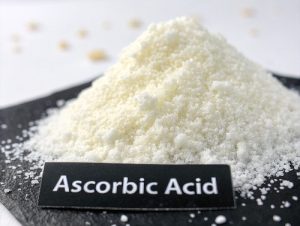
In the world of cosmetic ingredients, few actives command as much respect and consumer recognition as Vitamin C. Its role as a cornerstone for brightening, antioxidant defense, and anti-aging is undisputed. The global market for Vitamin C in pharmaceuticals and cosmetics reflects this, with projections expecting it to reach a value of over USD 2.2 billion by 2031 (Source: Transparency Market Research, 2024). However, for industry professionals, "Vitamin C" is not a single entity. It is a complex family of molecules, each with a distinct profile of stability, potency, and formulation characteristics.
Choosing the right derivative is one of the most critical decisions a formulator or brand can make. The wrong choice can lead to product instability, diminished efficacy, and a poor user experience. As a dedicated supplier of high-performance actives, we've guided countless clients through this complex landscape. This definitive guide is designed to provide you—the formulator, the brand manager, the distributor—with the clarity needed to select the ideal Vitamin C for your next winning product.
The Vitamin C Family: A Deep Dive into Key Derivatives
Understanding the fundamental differences between these molecules is the first step toward making a strategic choice. We will dissect the most prevalent and innovative options on the market.
1. L-Ascorbic Acid (L-AA): The Gold Standard Benchmark
What It Is: The purest, most biologically active form of Vitamin C. It is the molecule that all other derivatives aim to emulate.
How It Works: L-AA is directly recognized by the skin and requires no conversion to exert its powerful effects. It immediately gets to work neutralizing free radicals and inhibiting melanin production.
Pros: Unmatched, direct potency. The most extensively researched Vitamin C with the most robust clinical data.
Cons: Highly unstable. It rapidly oxidizes when exposed to water, air, light, or heat, leading to product discoloration (turning brown) and a complete loss of efficacy. Its optimal stability is at a very low pH (<3.5), which can cause significant skin irritation.
Best For: High-potency, specialized treatments where formulators can control the environment. Think anhydrous (water-free) serums, Vitamin C powders, or highly stabilized low-pH aqueous serums targeted at experienced, tolerant users. Requires premium, protective packaging.
2. Ascorbyl Glucoside (AA2G): The Sustained-Release Champion
What It Is: A highly stable, water-soluble derivative where a glucose molecule is bonded to the Vitamin C molecule.
How It Works: On the skin, a natural enzyme (α-glucosidase) gradually cleaves the glucose bond, slowly releasing active L-AA over an extended period.
Pros: Excellent stability in water-based formulas. The slow-release mechanism provides prolonged antioxidant benefits and significantly reduces the potential for irritation.
Cons: The conversion process means it is less immediately potent than a direct application of L-AA.
Best For: Daily-use products like day creams, lotions, and sunscreens where long-lasting antioxidant protection and gentle, consistent brightening are the primary goals.
3. Ethyl Ascorbic Acid (Ethyl VC): The Modern Powerhouse
What It Is: A remarkably stable ether derivative of Vitamin C (3-O-Ethyl Ascorbic Acid). It is soluble in both water and oil (amphipathic).
How It Works: This molecule is a true standout. It penetrates the skin deeply and is metabolized back into L-AA, boasting very high bioavailability. Unlike other derivatives, the molecule itself shows strong antioxidant and brightening activity even before conversion.
Pros: Outstanding stability across a wide pH range (3.0-6.0), offering immense formulation flexibility. Delivers L-AA-level potency with significantly less irritation.
Cons: It is one of the most premium-priced Vitamin C derivatives.
Best For: High-performance, luxury, or "masstige" skincare. Ideal for potent brightening serums and anti-aging creams where superior stability and a gentle user experience are non-negotiable.
4. MAP & SAP: The Gentle & Stable Workhorses
What They Are: Magnesium Ascorbyl Phosphate (MAP) and Sodium Ascorbyl Phosphate (SAP) are stable, water-soluble phosphate esters of Vitamin C.
How It Works: Like AA2G, they are converted to L-AA in the skin via enzymes. They are known for their exceptional gentleness.
Pros: Very stable in aqueous solutions at a neutral pH (~7.0), making them easy to formulate with. They are extremely gentle and well-tolerated by sensitive skin. SAP has the added, clinically-studied benefit of being effective against acne-causing bacteria.
Cons: Generally considered less potent in brightening and collagen synthesis compared to L-AA or Ethyl VC due to a potentially lower conversion rate.
Best For: Daily skincare for sensitive, reactive, or acne-prone skin (especially SAP). Excellent for entry-level Vitamin C products, toners, and gentle moisturizers.
5. Tetrahexyldecyl Ascorbate (THDA): The Oil-Soluble Innovator
What It Is: A lipid-soluble, highly stable ester of Vitamin C. Also known as Ascorbyl Tetraisopalmitate.
How It Works: Its oil-soluble nature allows it to penetrate the skin's lipid barrier with exceptional efficiency. It is then converted to L-AA within the skin.
Pros: Superb stability and deep penetration. Extremely gentle and non-irritating. It is perfect for anhydrous formulas, oils, and emulsions.
Cons: A premium, higher-cost ingredient. Requires enzymatic conversion.
Best For: Luxury facial oils, anti-aging creams, eye creams, and any formula targeting deep delivery of Vitamin C. Ideal for pairing with other oil-soluble actives like Retinol and Vitamin E.
The Strategic Decision: A Comparative Analysis for Formulators
To simplify the selection process, this table provides a head-to-head comparison of the key performance indicators for each derivative.
| Feature | L-Ascorbic Acid | MAP / SAP | Ascorbyl Glucoside | Ethyl Ascorbic Acid | THDA |
|---|---|---|---|---|---|
| Stability | Very Poor | Good | Excellent | Outstanding | Outstanding |
| Solubility | Water | Water | Water | Water & Oil | Oil |
| Potency | Highest (Direct) | Moderate | Good | High | High |
| Optimal pH | < 3.5 | 6.0 - 7.0 | 5.0 - 7.0 | 3.0 - 6.0 | < 6.0 |
| Relative Cost | Low | Low-Medium | Medium | High | Very High |
Procurement Excellence: Sourcing Your Vitamin C
Your product is only as good as its weakest ingredient. Sourcing high-purity Vitamin C derivatives is paramount. Your procurement strategy should prioritize value over simple cost-per-kilo, considering what we call the "Total Cost of Ownership"—a more expensive but highly stable ingredient can save significant costs by preventing batch failures, product returns, and brand damage.
Key Supplier Vetting Criteria:
- Purity & Documentation: Always demand a Certificate of Analysis (CoA) with verified purity data. For high-performance actives, purity should exceed 99%.
- Regulatory & Compliance: Ensure your supplier provides materials that are compliant with regulations in your key markets (e.g., REACH, ECHA, NMPA).
- Technical Partnership: A great supplier is a partner. They should offer robust technical data, stability studies, and expert formulation support to help you succeed.
The Vitamin C landscape is rich with opportunity. By aligning your ingredient choice with your brand's promise—whether it's maximum potency, gentle care, or tech-driven luxury—you can create products that truly resonate with consumers. Choosing the right derivative is the critical first step. Partnering with a knowledgeable, quality-focused supplier is the second.
We invite you to leverage our expertise. Contact us to discuss the specific needs of your project, request a sample of any of these leading Vitamin C derivatives, and let our team help you formulate your next best-seller.