The demand for high-performance skincare has never been more intense. Today’s consumers are not just buyers; they are "skintellectuals" who understand active ingredients and demand visible, science-backed results. According to a 2024 report by
MarketsandMarkets, the global cosmetic ingredients market continues its strong growth trajectory, with the active ingredients category leading the charge. At the apex of this trend sits Vitamin C, an undisputed titan of the industry. The central challenge for any serious brand is choosing the right form of this powerhouse ingredient. The decision often comes down to a critical choice: the raw power of L-Ascorbic Acid (L-AA), the pure gold standard, or the engineered stability of Ethyl Ascorbic Acid (Ethyl VC), a modern challenger.
As a long-standing supplier of high-purity actives, we guide formulators and brand owners through this decision daily. This is not merely a choice between two ingredients; it's a strategic decision that defines a product's performance, user experience, and market position. This guide offers a deep, comparative analysis to help you make the most informed choice for your brand.
L-Ascorbic Acid (L-AA): The Unrivaled Gold Standard of Potency
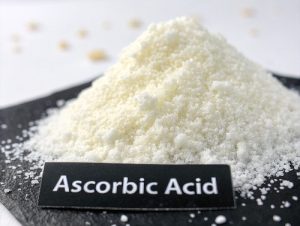
L-Ascorbic Acid is Vitamin C in its purest, most biologically active form. When a product lists "Ascorbic Acid" on its INCI list, it is referring to L-AA. Its reputation is built on decades of extensive research and undeniable efficacy. For the skin, L-AA is direct-impact; it requires no conversion to begin working.
Core Efficacy of L-AA:
- Direct Antioxidant Neutralization: L-AA is a first-line defender against oxidative stress, directly scavenging free radicals generated by UV and environmental pollution before they can damage skin cells and accelerate aging.
- Superior Melanin Inhibition: It directly interferes with the enzyme tyrosinase, significantly reducing melanin production. This leads to powerful results in fading hyperpigmentation, dark spots, and creating a brighter, more even complexion.
- Robust Collagen Synthesis: L-AA is an essential cofactor for the enzymes (prolyl and lysyl hydroxylase) that are critical for collagen cross-linking and stabilization. This direct role translates to tangible improvements in skin firmness, elasticity, and the reduction of fine lines.
The Formulation Challenge: Taming a Powerful Ingredient
L-AA's immense power is directly linked to its primary weakness: profound instability. Its enediol structure makes it highly susceptible to oxidation when exposed to water, air, light, and heat. This degradation not only renders the product ineffective but can also turn it brown and potentially create pro-oxidant byproducts. Mastering L-AA formulation is a mark of true R&D expertise.
A Formulator's Toolkit for Stabilizing L-AA:
- Anhydrous Bases: The most effective strategy is to remove water entirely. Suspending micronized L-AA in silicone, squalane, or propanediol-based serums creates a stable environment until the product contacts the skin's moisture.
- Low pH Environment: L-AA is most stable at a pH below 3.5. This enhances its penetration but also significantly increases the potential for irritation, making such formulas unsuitable for sensitive skin.
- The "Gold Standard" Antioxidant Cocktail: The combination of 15% L-AA, 1% Vitamin E (Tocopherol), and 0.5% Ferulic Acid is a clinically proven synergy. Ferulic Acid is a remarkable stabilizer for both vitamins, effectively doubling their photoprotective capacity.
- Advanced Packaging: Opaque, airless pump packaging or single-dose capsules are mandatory to protect the formula from light and oxygen degradation.
Ethyl Ascorbic Acid (Ethyl VC): The Modern Union of Stability and Efficacy
3-O-Ethyl Ascorbic Acid is a next-generation etherified derivative of Vitamin C. An ethyl group is attached to the third carbon position of the ascorbic acid molecule, a chemical modification that brilliantly solves the stability issue while maintaining impressive bioavailability. It is both water-soluble and oil-soluble (amphipathic), which aids its penetration into the skin.
Core Advantages of Ethyl VC:
- Exceptional Stability: Ethyl VC is remarkably stable to heat and oxidation. It does not discolor or degrade in water-based formulas, allowing for more elegant, user-friendly serums, creams, and lotions with a long shelf life.
- High Bioavailability & Metabolism: Once absorbed, it is metabolized in the skin back to pure L-Ascorbic Acid, delivering the benefits of the parent molecule effectively. Its unique structure allows for a high conversion rate.
- Broad pH Flexibility: It remains stable and effective across a much wider pH range (typically 3.0 to 6.0). This gives formulators immense flexibility to create products that are both potent and skin-friendly (closer to the skin's natural pH of ~5.5).
- Gentle Yet Potent Action: It delivers powerful brightening, antioxidant, and collagen-boosting effects with a significantly lower irritation potential than low-pH L-AA serums, making it suitable for a much broader audience.
Comparative Insight: L-AA vs. Ethyl VC for Your Formulation
Choosing between these two actives depends entirely on your product goals, target audience, and formulation capabilities.
| Feature |
L-Ascorbic Acid (L-AA) |
Ethyl Ascorbic Acid (Ethyl VC) |
| Bioactivity |
Direct (No conversion needed) |
Requires conversion, but highly efficient |
| Stability |
Very Poor |
Excellent |
| Formulation pH |
Requires pH < 3.5 for optimal stability |
Flexible (pH 3.0 - 6.0) |
| Irritation Potential |
High, especially in effective low-pH formulas |
Low |
| Ideal Formulation |
Anhydrous serums, powders, highly stabilized aqueous solutions |
Water-based serums, creams, lotions, gels |
| Target Consumer |
Experienced "skintellectuals" seeking maximum potency |
Broad audience, including sensitive skin, seeking effective daily-use products |
Procurement & Partnership for High-Performance Actives
Sourcing high-potency actives requires a rigorous approach. The purity and quality of your raw material will directly impact your final product's safety, stability, and efficacy.
What to Demand from Your Supplier:
- Purity Above All: Insist on a Certificate of Analysis (CoA) with every batch, verifying purity of >99%. Impurities can compromise stability and cause unforeseen reactions.
- Comprehensive Data: A trustworthy supplier will provide robust stability data, clinical efficacy studies (where available), and clear formulation guidelines.
- Regulatory & Quality Assurance: Ensure your supplier adheres to global standards like ISO and GMP, and that their materials meet the regulatory requirements of your target markets.
- A Collaborative Partnership: Look for a supplier who offers expert technical support. A partner who can help you troubleshoot formulation challenges is an invaluable asset.
The future of skincare is undeniably active and results-driven. Both L-Ascorbic Acid and Ethyl Ascorbic Acid will play pivotal roles. L-AA will continue to be the choice for high-impact, specialist treatments, while Ethyl VC's superior stability and user-friendliness will drive its adoption in mainstream premium skincare. By understanding their distinct profiles, brands can innovate with confidence.
Whether you are tackling the complexities of an L-AA formula or designing an elegant Ethyl VC serum, our role is to provide the highest-purity materials and the expert support you need.