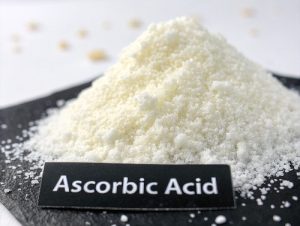
The Vitamin C Paradox: Why are brands struggling in a market projected to hit $988 million by 2030? Despite explosive growth
(Source: Grand View Research, 2023), the traditional workhorse, L-Ascorbic Acid (L-AA), presents a significant business liability. Its inherent instability leads to a short shelf-life, product discoloration, and a high potential for skin irritation. This results in compromised efficacy, negative customer reviews, and ultimately, a damaged brand reputation. The market is demanding a better solution—one that delivers all the benefits of Vitamin C without the drawbacks. That solution is Tetrahexyldecyl Ascorbate (THDA).
What is THD Ascorbate and Why is it Superior?
Tetrahexyldecyl Ascorbate (INCI: Tetrahexyldecyl Ascorbate) is a highly stable, oil-soluble precursor to Vitamin C. As experienced ingredient specialists, we can attest that its molecular structure is not just a minor improvement; it's a fundamental game-changer for cosmetic formulation. Here’s why:
1. Unmatched Stability for Guaranteed Potency
L-Ascorbic Acid degrades rapidly in the presence of air, light, and water. THDA, by contrast, is exceptionally robust. It can withstand high temperatures during formulation and remains stable in finished products, ensuring that the consumer receives the full benefit from the first use to the last. For your business, this translates to longer product shelf-life, reduced manufacturing challenges (like color and pH shifts), and the confidence to use premium packaging like dropper bottles without fear of rapid oxidation.
2. Superior Bioavailability via Deep Penetration
Because it is oil-soluble (lipophilic), THDA is biomimetic to the skin's lipid barrier. It effortlessly penetrates the stratum corneum to reach the deeper layers of the epidermis and dermis, where it is needed most. Clinical data has shown its skin penetration is over three times more effective than that of L-Ascorbic Acid
(Source: Journal of Cosmetic Dermatology, 2006). Once absorbed, it is converted into active Vitamin C by endogenous enzymes, ensuring targeted delivery and maximum impact.
3. Exceptional Gentleness for Universal Appeal
Operating at a neutral pH, THDA is non-acidic and exceptionally gentle on the skin. This eliminates the stinging, redness, and irritation commonly associated with high concentrations of L-AA. It allows formulators to create high-potency products (up to 20% concentration) that are suitable for all skin types, including the most sensitive. This single attribute unlocks access to the vast and lucrative sensitive skin market, which seeks high-efficacy products without compromising on comfort.
At-a-Glance: THDA vs. Other Vitamin C Derivatives
| Feature |
L-Ascorbic Acid (L-AA) |
Ascorbyl Glucoside (AA2G) |
Tetrahexyldecyl Ascorbate (THDA) |
| Solubility |
Water-Soluble |
Water-Soluble |
Oil-Soluble |
| Stability |
Very Poor (Oxidizes easily) |
Good |
Excellent (Heat & Oxygen resistant) |
| Penetration |
Poor (Requires low pH) |
Moderate |
Superior (Lipophilic affinity) |
| Irritation Potential |
High (At effective concentrations) |
Low |
Virtually None (Ideal for sensitive skin) |
| Collagen Synthesis |
Good |
Good |
Excellent (Proven to boost Type I & III) |
The data clearly indicates that for brands aiming to create premium, high-performance products, THDA is the technologically superior choice.
Translating Technical Superiority into Market Success
Choosing THDA is a strategic business decision that aligns your products with key consumer demands shaping the future of skincare.
- The "Derm-Grade" Efficacy Movement: Today's educated consumers demand clinically proven results. THDA's potent ability to neutralize free radicals, inhibit melanogenesis (reduce dark spots), and stimulate collagen production allows you to build powerful, evidence-based marketing claims.
- The Sensitive Skin Economy: Over 60% of consumers identify as having sensitive skin (Source: Mintel, 2024). THDA is your key to unlocking this demographic, allowing you to offer potent anti-aging and brightening solutions to a market segment that has historically been underserved by high-activity ingredients.
- The Rise of Premium, Multi-Functional Products: THDA's versatility makes it the perfect cornerstone for sophisticated formulations. Imagine launching:
- A high-potency Anti-Aging Serum: Combining 10% THDA with retinoids and peptides for a synergistic, multi-pathway approach to skin rejuvenation.
- A luxurious Radiance Facial Oil: Blending 15% THDA in a base of Squalane and botanical oils for a stable, deeply nourishing, and brightening treatment.
- A gentle-yet-powerful Eye Cream: Using 5% THDA to visibly reduce dark circles and fine lines without causing irritation to the delicate eye area.
Partner with Us: Your Source for High-Purity THD Ascorbate
Incorporating THDA into your product line is the definitive step toward market leadership. However, the quality of your raw material is paramount. As a dedicated partner to the cosmetic industry, we provide more than just an ingredient; we provide confidence, consistency, and a competitive edge.
When you partner with us, you receive:
- Batch-to-Batch Consistency: Our THDA (purity >98%) is rigorously tested to ensure reliability in every order, protecting the integrity of your formulations.
- Robust Supply Chain: We understand the cost of production delays. Our stable supply chain ensures you get the materials you need, when you need them.
- Expert Technical Support: Our team of formulation experts is available to help you overcome technical hurdles and accelerate your product development timeline.
Don't let outdated ingredients hold your brand back. It's time to innovate.
Contact us today to request a complimentary sample of our high-purity THD Ascorbate.